
Authentic Homemade Chaat Masala
This post may contain affiliate links from which I will earn a commission. Learn more in our disclosure.
Chaat masala is a tangy, savory Indian spice blend often made with dried mango powder (amchur), cumin, coriander, and black salt. It’s known for its unique sweet-sour flavor and is commonly sprinkled on fruit, snacks, and savory dishes.
Once you make this delightful spice mix, I’m sure you’ll find plenty of ways to enjoy it.
How This Chaat Masala Recipe Came to Be
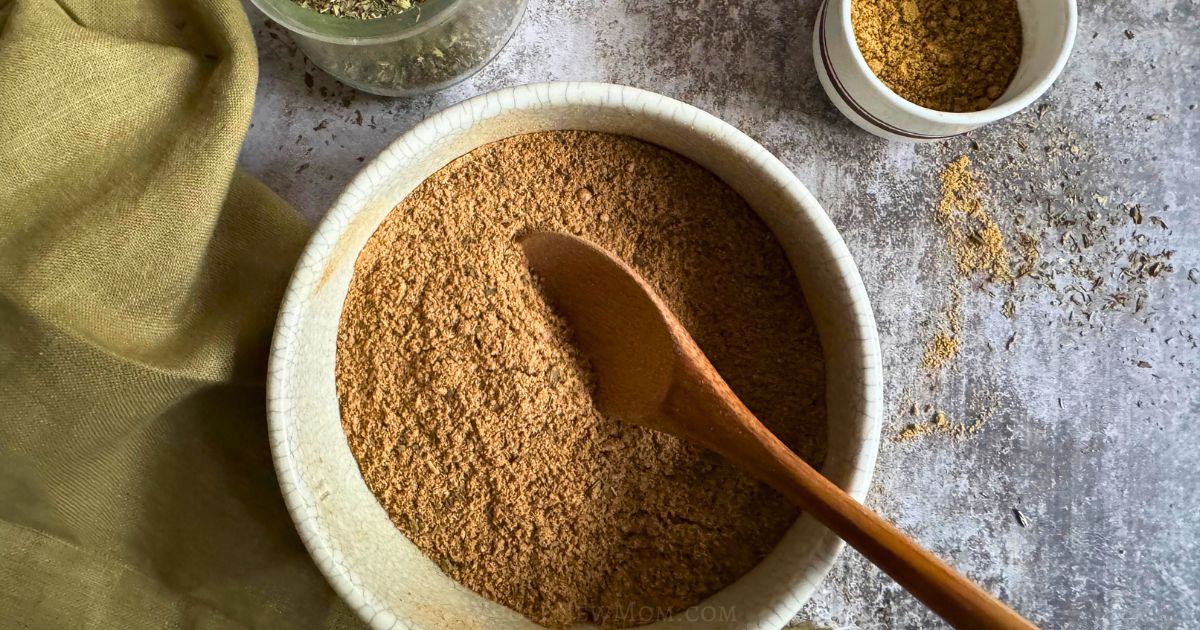
Many years ago, I made two mistakes with a recipe that led to me making this one. I was making an Indian recipe from a highly respected cookbook that was called Chat. The recipe itself was a complete flop, but I had changed up some of the ingredient amounts for the seasoning blend in the recipe and that part was a huge success.
It was so much of a success that we continued to eat it on just about everything, from mains to sides. We even served it to guests from India for dinner and they loved it so much that the wife asked for the recipe. What a compliment!
Anyhow, due to confusion about the words “chat” and “chaat”, we basically all thought the recipe was chaat masala, and I had it on my site labeled as that for a long time.
Since then, I learned that the real chaat masala is quite different. So I went back to the kitchen and developed the real thing: a tangy, savory blend with amchur, cumin, coriander, chile, and the other flavors that give chaat masala its distinctive character. And that blend is now a favorite here as well. I’m sure you’re going to love both of them!
What Is Chaat Masala?
Masala means “spice mix” and chaat means “to lick.” So chaat masala is a spice blend that is meant to make your food basically finger licking good.
Chaat masala is a basic South Asian spice blend that originated in the Indian subcontinent. It often contains cumin, coriander, and other spices, notably a tangy edge from mango powder and often black salt as well.
It differs from garam masala in that garam masala is a warm spice blend (garam means “warm”) that typically is used to add depth to hot dishes. Chaat masala, on the other hand, is a tangy, salty finishing seasoning that adds zest to dishes just before eating. So while garam masala is a cooking spice, chaat masala can sit on your table to put on whatever dish you enjoy it with.
Ingredients in Chaat Masala
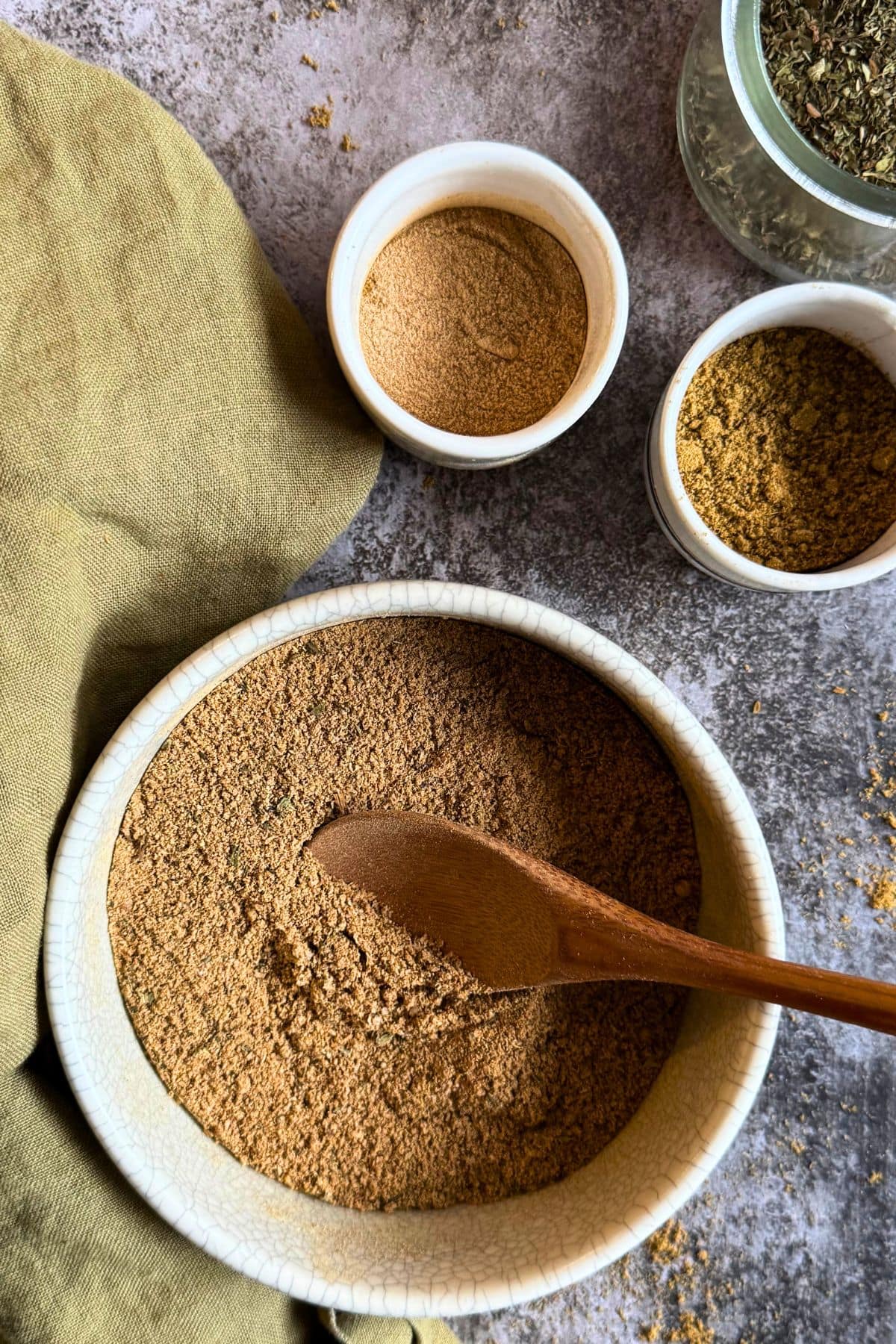
- Cumin: Cumin gives chaat masala its warm, earthy flavor. I typically buy whole cumin seeds and grind about ¼ cup at a time for fresher flavor. For even more flavor, lightly toast the seeds in a dry skillet until fragrant, let them cool completely, and then grind.
- Coriander: Ground coriander adds a slightly citrusy, lightly sweet flavor that balances the tanginess of this blend and pairs so well with cumin.
- Amchur (Dried Mango Powder): Amchur is made from dried green mangoes and gives chaat masala its signature tangy flavor. If you’ve ever wondered what makes chaat masala taste so unique, this is a big part of it. If need be, you can substitute some lemon or lime juice or even citric acid, but amchur is definitely worth having on hand for this blend. The brand linked to is highly recommended in many places.
- Black Salt (Kala Namak): Kala namak, also called black salt, is a mineral salt commonly used in South Asian cooking. It has a savory sulfur-like flavor that is part of traditional chaat masala’s distinctive taste. I like using a smaller amount of this along with some sea salt for a milder flavor.
- Kashmiri Chili: Kashmiri chili powder adds mild heat and beautiful color without making the blend overly spicy. Paprika can be substituted for an even milder version.
- Black Pepper: Black pepper adds warmth and depth. My blend has a bit more than most chaat masalas because we liked that in the simplified version I made. Add more or less as you like.
- Mint (Spearmint): Mint adds freshness and a subtle cooling flavor that works especially well with the tangy spices in this blend. In savory recipes, mint almost always refers to spearmint. Peppermint is more commonly used for teas, candies, and desserts because of its stronger menthol flavor.
- Ajwain (Optional): Ajwain has a flavor similar to thyme or oregano and is commonly used in Indian cooking. A small pinch adds a bit of extra depth, but you can leave it out if you don’t have any on hand.
- Ginger: Ginger adds a bit of warmth and earthy complexity.
- Sea Salt: Sea salt balances the tangy and savory flavors here. I use it instead of some or all of the black salt because it’s more readily available and it’s a better choice as well if you don’t like the sulfuric/egg-like taste of black salt.
Ways to Use Chaat Masala
There are so many ways to use this unique and flavorful spice blend. Try it on:
- fruit: apple, watermelon, pineapple, mango
- vegetables: cucumber, tomato, corn, roasted vegetables
- beef, chicken, and fish
- cucumber
- legumes including roasted chickpeas
- snacks: popcorn, fries
- yogurt, yogurt dip, raita salads
- eggs
- salad dressings
- curries
We’ve really enjoyed putting some of this chaat masala on beans with olive oil.
Chaat Masala Substitute
There really isn’t a perfect substitute for chaat masala since its flavor comes from a combination of specific tangy, salty, spicy, and earthy ingredients. However, if a recipe calls for chaat masala and you don’t have any on hand, you can recreate some of that flavor using one of the following options.
For the closest quick substitute:
Combine ground cumin, amchur, salt, and a little black pepper or chili powder. If you have black salt, add a pinch for a more characteristic chaat flavor.
If you don’t have amchur:
Use cumin, salt, and chili/pepper, then add fresh lemon or lime juice to the finished dish for the missing tang. Adding lemon/lime to the spice blend directly will cause it to clump, so adding it after to the dish is the best method.
Can you substitute garam masala?
Garam masala can work in certain savory dishes in a pinch, but it isn’t a direct substitute. It’s warmer and more aromatic, while chaat masala, as mentioned, is notably tangy and salty. If you use garam masala, adding some lemon juice and a little salt to your dish can bring the flavor closer to what chaat masala contributes.
Substitution Tip: If the chaat masala is being sprinkled over fruit, cucumber, corn, or another finished food, the cumin, salt, lemon/lime version is better than using garam masala.
Storage Tips
Store this chaat masala in an airtight jar and for best flavor use within 2-3 months. Storing in the refrigerator will lengthen the shelf life, especially due to the presence of the chili pepper.
Frequently Asked Questions
Does chaat masala need black salt?
While you can use regular salt for chaat masala, black salt gives it a part of its unique flavor.
How much chaat masala should you use?
Start with a light sprinkle and then taste it. You can then add more if you like. It can be pretty salty/tangy so starting light is a good idea.
Can you make chaat masala without amchur?
Not really. While it’s not a common ingredient in most countries, it’s worth buying for this recipe.
Why does black salt smell like eggs?
Black salt contains high amounts of sulfur compounds, especially hydrogen sulfide, which is the same gas that gives hard-boiled eggs their distinct “eggy” smell. Black salt is a volcanic rock mined in South Asia and it’s typically fired in a kiln with herbs and seeds that contain sulfuric compounds. As a result, the sulfur compounds become trapped in the salt.
More Homemade Spice Blends
- Taco Seasoning (plus amazingly good taco meat tips) – so good you’ll likely never think about buying those packets again
- Best Basic Chili Powder – made without fancy peppers
- Keto Cinnamon Sugar – get the recipe plus the funny result of our taste-testing experiment
- Herbes de Provence – 4 ways to make this very versatile blend
- Vegetable Broth Mix – doubles as a delicious all-purpose seasoning blend
You can also try your hand at making your own spice blends by using the tips in this how to make homemade spice mixes post.
Chaat Masala
Ingredients
- 2 tablespoons cumin
- 1 tablespoon coriander
- 1 tablespoon amchur
- 1 1/4 teaspoon sea salt
- 1/2-1 teaspoon black salt (optional)
- 3/4 teaspoon black pepper
- 1/2-1 teaspoon Kashmiri chili (or paprika)
- 1/2 teaspoon dried mint (spearmint)
- 1/8 teaspoon ginger
- 1 pinch ajwain (optional)
Instructions
- Place all ingredients in a bowl or jar.
- Mix well.
- Store in an airtight container.
Nutritional information is provided as a courtesy and is an estimate only. It may vary depending on ingredient brands, substitutions, and preparation methods. Optional ingredients are not included. Net carbs are typically calculated by subtracting fiber and sugar alcohols (such as erythritol) from total carbohydrates. This information should not be relied upon for medical or nutritional purposes.
I’d love to hear what you think about this after you try it!
I “left” this comment a LONG time ago, but it never appeared:
Interesting. The simplified recipe doesn’t seem very like the authentic one at all….I go to a Mediterranean/Middle Eastern grocery about every 6 months that is about an hour away and actually purchased some Amchur and Black salt. (black salt I got on Amazon). I get so ‘trapped’ in the same flavor profiles and wanted some new options.
Do you know if the Kashmiri chilies are similar to either Urfa Biber (Mediterranean) or Aleppo (Greek) peppers?
I have both of those. Wonder if they could be subbed for the Kashmiri?
Adding: I went to the market mentioned and got all of the ingredients to make the Authentic version (to me, the simplified one doesn’t look at all like what Chaat Masala should be).
My question is: what type of mint? peppermint? spearmint? another kind of mint? Kind of important as they taste quite different!!!
Hi Carol — sorry for the delay in getting back to your earlier comment – I believe I mentioned before that I’m updating so many things with my site so I’ve been exceedingly busy. Yes, you’re correct that the longtime family blend is quite different from traditional chaat masala. I explained the sequence in the post a bit more and I’ve decided to move that recipe to be its own cumin-coriander seasoning recipe now and that should be up on the blog soon. It’s a great blend!!
Of the peppers you have, I would use the Aleppo pepper rather than Urfa Biber. Aleppo is fruity and relatively mild and should work nicely here, although it isn’t quite the same as Kashmiri chile, so I’d start with a little less and adjust to taste. Urfa Biber has a darker, earthier, somewhat smoky/raisin-like flavor, so it would change the character of the blend more.
And good question about the mint — I mean dried spearmint/culinary mint, not peppermint. Peppermint would be much more menthol-forward. That’s confused me in recipes too so I’ve emphasized that in the post now. Technically you could use either as there isn’t that much in the recipe, but spearmint is the way to go.
I’d love to hear what you think of the blend once you try it. I am going to be likely tweaking it a bit in the upcoming weeks, just FYI, but it’s good as it is.
Well, too late for me …..I actually did go to the specialty market and got all the ingredients for the “authentic”, so it’s the Kashmiri chili …I tasted it without the mint and it was interesting…..then remembered I had peppermint and usually when mint is specified but not indicated which one, it is usually meant to be PEPPERMINT, so I used that. I didn’t really taste much change as you said, it is a very small amount. Now I just need to figure out how to use this. Can’t have rice or beans or garbanzos, (high carbs) so most traditional Indian food is out of the question…..
Hi again, Carol! Thanks for letting me know how it turned out. In fact truly the differences in the mint aren’t that big of a deal at all – I bought a lot of spearmint for this and another recipe for developing and likely didn’t need to. At least it makes good tea :)! Peppermint is much more menthol-forward, while spearmint is the better fit for this type of savory Indian spice blend. I just added that info to the post as well.
And you definitely don’t need rice, beans, or chickpeas to use chaat masala. It’s great sprinkled over cucumber, tomatoes, cauliflower, zucchini, green beans, eggs, chicken, fish, yogurt or raita, and even avocado. I also like it with a squeeze of lemon or lime on vegetables. It works especially well as a finishing seasoning rather than something that has to be used in a traditional Indian dish. We were sampling it on cucumbers- green apple would be good as well. I think it would be fantastic on this cauli mash! https://wholenewmom.com/keto-mashed-potatoes/.
Also I just took new photos and check the recipe because I changed the proportions some to add more amchur. If you want help adjusting yours I can help :)!
Thanks, Adrienne! I also note that in a lot of authentic recipes (by Indian cooks) they add some pomegranate seed powder (to this recipe I added 1/2 tbsp) I think it is called Anardana. I bought a lot of the herbs at the store I mentioned earlier…they have such a huge selection from India, the middle east and other foreign places. I’m also building up my spice blends. I’d really like to get one of those round spice tins that they use in India…
You’re welcome!
Yes, that’s a great addition to try. I might test it myself but it’s another specialty thing for people to get and not needed so I left it out for now. I’m almost done another recipe where I worked hard to reverse engineer a specialty ingredient b/c I’d like my recipes to be more accessible for me and everyone and turned out we liked it better the non specialty way so it’s a win win!
I am not sure what this is, but it’s not chaat masala. It’s missing several key ingredients. You might want to purchase a chaat masala from an Indian grocery store or order it from Amazon so you can have a comparison. That said, I am sure this is tasty because I love cumin and coriander and use them a lot.
Hello Gigi. Sorry for the long delay in responding, and thank you for the thoughtful comment. Over the years my family loved the simplified spice blend version so much that I never revisited the post closely enough, but I’ve now updated it to include a more traditional chaat masala recipe as well while still keeping our longtime family variation in the post. I hope that if you try either version, you’ll let me know what you think. Thanks again for reading and taking the time to comment!