
How to Get Rid of Stevia Aftertaste (9 Tips That Work)
This post may contain affiliate links from which I will earn a commission. Learn more in our disclosure.

If stevia tastes bitter or has a strange aftertaste, you’re not imagining it—and you’re definitely not alone.
For some people, stevia tastes perfectly sweet. For others, it has a strong, lingering bitterness or even a slightly metallic flavor that can ruin a drink or recipe.
The good news?
There are simple ways to fix it.
In this guide, you’ll learn exactly why stevia has an aftertaste—and the most effective ways to get rid of that bitter taste so it actually tastes good.
When many people first try stevia, the experience can be surprising—in a not-so-good way. What seems like a great sugar alternative can come with a strong, bitter aftertaste that’s hard to ignore.
If that’s been your experience, you’re not alone. The good news is that there are simple ways to fix it—and once you know how to use stevia properly, it can be a great option.
I actually liked stevia when I first started using it. I was thrilled to have a low-carb way to address my sweet cravings. But over time I realized that in some recipes, it could easily become too strong or develop an aftertaste if not used carefully.
Learning how to balance it made a huge difference.
How to Get Rid of Stevia Aftertaste (Quick Fixes)
Here's a quick list of how to get rid of stevia's aftertaste. Scroll down for more information about all of these.
- Use less stevia (too much = bitterness)
- Choose a better-tasting brand
- Add acid (like lemon juice or vinegar)
- Combine with another sweetener
- Use liquid stevia instead of powder
- Add fat (like cream or coconut milk)
- Chill or freeze foods
- Use strong flavors (like chocolate or vanilla)
- Let taste buds adjust
What is Stevia?
1. Stevia is a natural sweetener derived from the Stevia rebaudiana plant and can be up to 300 times sweeter than sugar (the typical range is 200-300). As a result, stevia can be difficult to use as a sweetener.
2. Stevia is a zero calorie sweetener that does not contain any sugar or carbohydrates, nor does it feed candida.
3. Easy on your digestion–stevia lacks the unpleasant tummy-lurching side effects that are a characteristic of some other low-carb sweeteners like xylitol, erythritol, and allulose.
4. Stevia comes in many forms with varying amounts of processing. Among theses are: homemade extracts, powder extracts, liquid stevia, and ground whole leaf stevia.
– Homemade extracts, also known as “teas”, are made by steeping the leaves of the stevia plant, which can often be found at local greenhouses.
– Liquid or powdered extracts are made by using either water or alcohol to extract two types of glycosides from the leaves of the stevia plant (Stevioside and rebaudioside A).
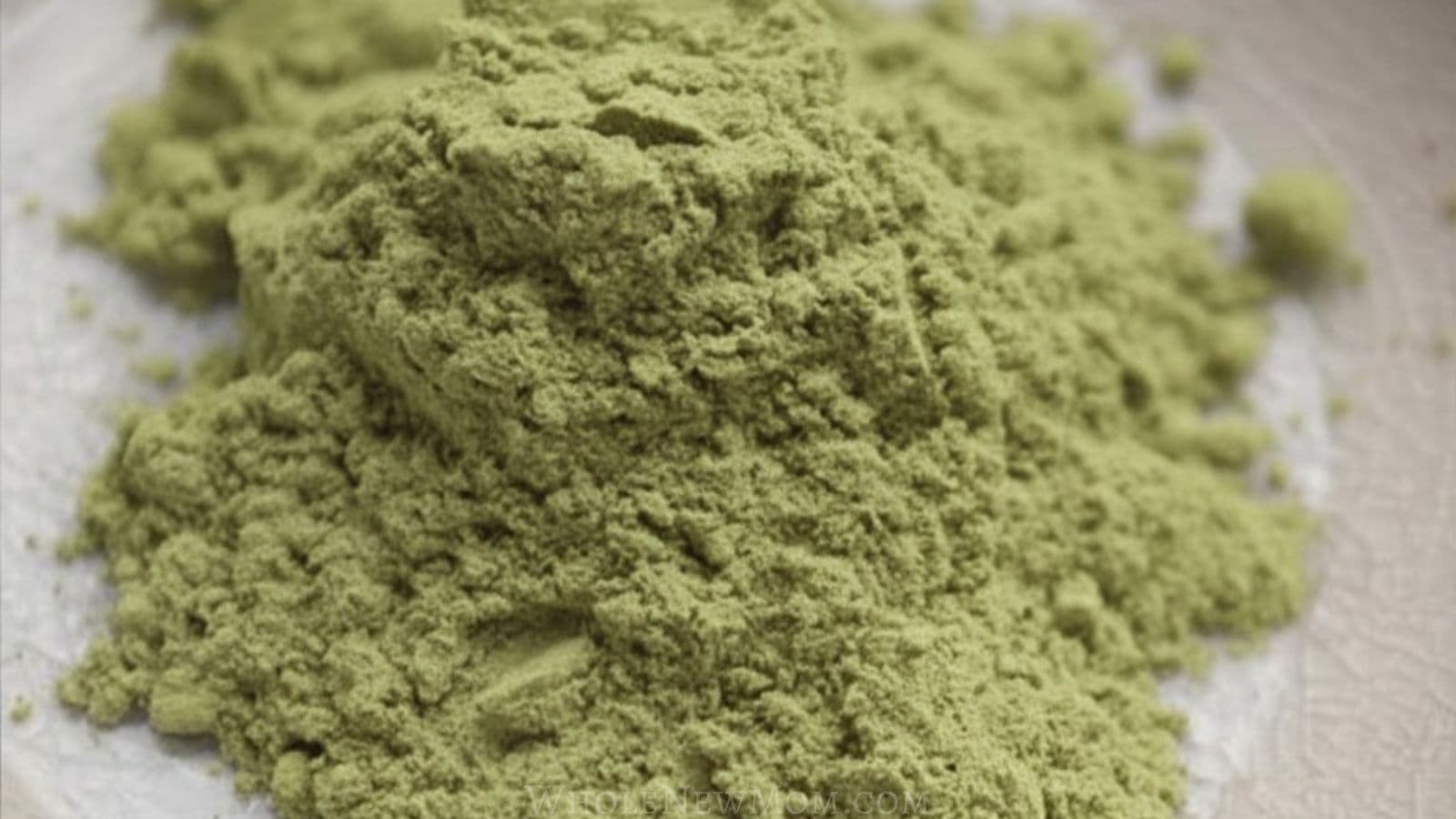
– Ground Leaves – The third process simply involves the grinding of dried stevia leaves into a green powder with no extraction process.
Does Stevia Taste Like Sugar?
While stevia and sugar share sweetness, there are some big differences. Stevia tastes different than sugar for the following reasons:
- Other compounds: Stevia, whether you are using the whole leaf or an extract, has other compounds in it that affect its taste.
- No bulk: Since stevia is so much more concentrated than sugar, that leads to its bitter taste/aftertaste.
- Taste receptors: Due to how stevia interacts with taste receptors, it tastes different than sugar and also tastes different to different people.
What Does Stevia Taste Like?
Stevia, again is super sweet but also super strong. It tastes sweet up front, but then can have a bitter, licorice, or even metallic taste for some. How it tastes varies by person based on genetically influenced taste receptors, similar to how different people feel about cilantro's taste.
Why Does Stevia Have an Aftertaste?
Our taste buds have receptors that identify sweet, bitter (and also sour and salty) flavors. Interestingly, there is only one receptor that identifies sweet tastes, but there are 25 different receptors for bitter ones! One reason for stevia's bitter taste is that the stevia plant has chemical compounds that interact with both the sweet and bitter receptors, leading to its signature bitter aftertaste.
However, if you get quality stevia (and also follow the tips in this post), a lot of that bitterness can be mitigated.
What Stevia Has the Least Aftertaste?
If you’re struggling with stevia’s taste, switching types or brands can make a big difference in your experience.
- Liquid stevia tends to have a smoother, less bitter taste (especially in drinks).
- Powdered stevia extract can taste stronger and more bitter if even slightly overused.
- Some brands are noticeably cleaner tasting than others.
- Blends (like stevia with monk fruit or erythritol) often reduce aftertaste due to the bulk and combining tips mentioned below.
Why I Didn’t Like Stevia at First (and What Changed)
9 Tips to Fix the Stevia Taste Problem
1. Use Less Stevia (Overuse Causes Bitterness)
Don't one day decide to put it in everything, on everything. Instead, start with a little bit of stevia and increase your use with time.
Using too much stevia at once causes an overload of the bitter receptors in your mouth and also a plateau effect where the sweetness of stevia plateaus and you end up sensing the bitterness more instead.
2. Buy a Good Brand
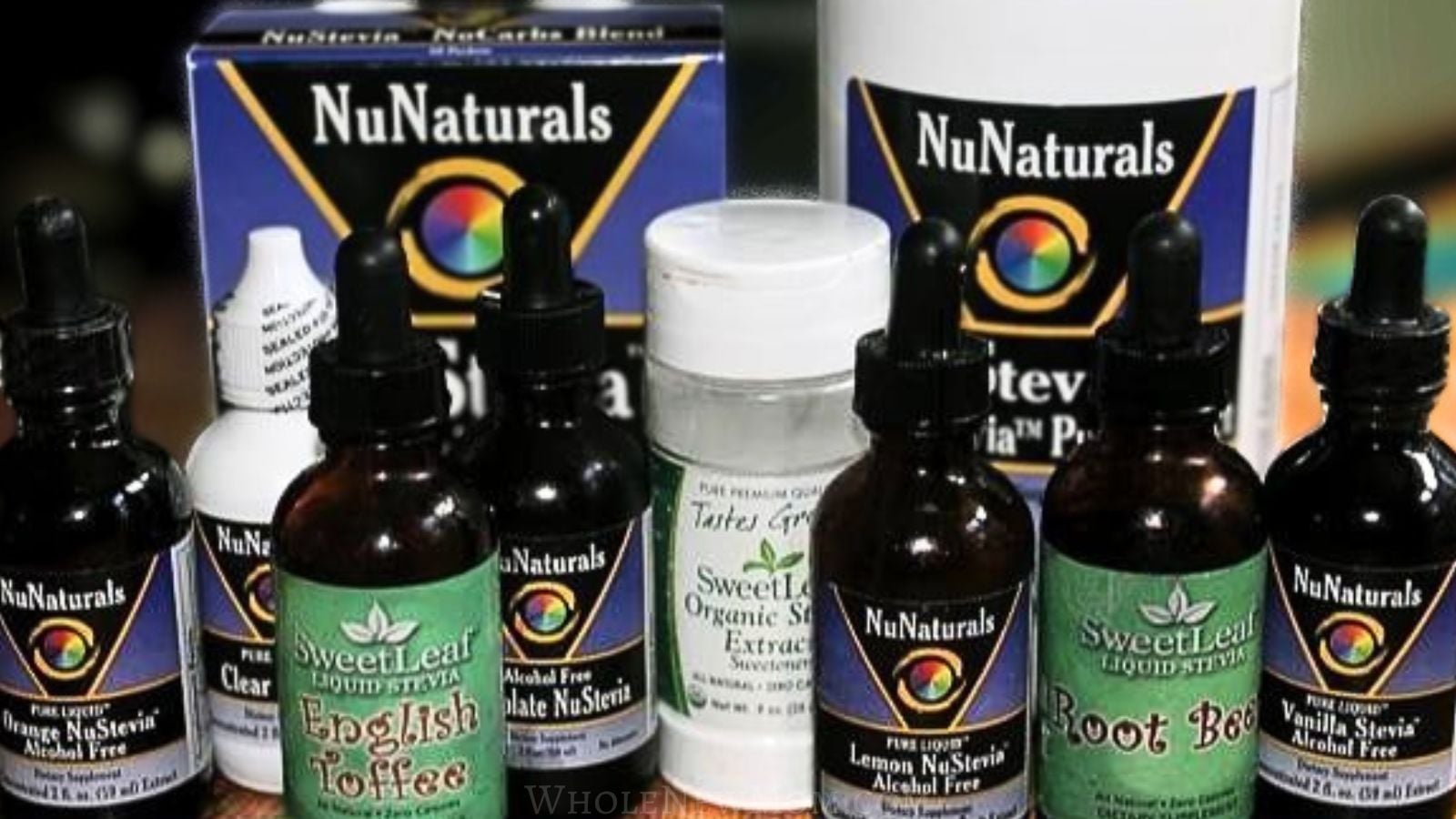
Stevia extracts are not created equal. I have purchased my share of brands and while some are palatable, others just don't make the cut. However, as you learn to like stevia you will likely be more tolerant of even the most unpalatable brands. Here are some better tasting brands to start with.
Now Brand Better Stevia
Many people love Now's Better Stevia. I seems to need more stevia to get the sweetness level that I want, but the taste is better than most.
NuNaturals
My personal favorite used to be new NuNaturals. Sadly, they had to change their formula, but they still have a smooth flavor with minimal to no aftertaste.
Got a brand of stevia you love? Let me know and I might add it to this list.
3. Let Taste Buds Adjust
Stevia can be an acquired taste. Many people find that the more they use it (especially when used correctly), the less noticeable the aftertaste becomes over time.
4. Combine with Other Sweeteners
Especially in baking, use stevia along with other sweeteners like honey, maple syrup, fruit juice, coconut sugar, molasses, xylitol, erythritol, erythritol / monk fruit blend, monk extract, allulose, bocha sweet, or some other option that works for your diet.
When stevia is mixed with another sweetener, the taste is greatly reduced and often not even noticeable. This is also true when there is fruit in the recipe (the fruit being the other sweetener), like in fruit crisp or this mixed berry chia pudding. The stevia taste is much less, if at all, noticeable.
Slowly, steadily, each subsequent time you prepare something, decrease the other sweetener and increase the stevia with the potential goal of cutting out the other sweetener completely over time.
5. Freeze It
If you added too much stevia to a recipe or if the stevia taste is too strong, don't throw out your hard work. Instead, freeze it for a day or two (letting it sit in the fridge works well too).
Chilling helps mask the strength of both the stevia sweetness and the bitterness on your tongue.
6. Add an Acid
Adding an acid like lemon juice, apple cider vinegar, or citric acid can help mask stevia’s aftertaste—especially in drinks and fruit-based recipes. In baked goods, it can help slightly, but it’s usually more effective when combined with other strategies.
7. Add Fat
Fat smooths out the bitterness of stevia. Adding coconut milk to coffee or coffee substitute, using cream or butter in drinks, and avoiding fat-free or reduced-fat baked goods are another way to help with stevia's aftertaste.
8. Use Liquid Stevia
Liquid stevia often tastes smoother than powdered versions, especially in drinks.
One big reason is that it’s easier to control the amount. Using drops instead of a scoop makes it easier to get the right level of sweetness without overdoing it.
Liquid stevia also mixes more evenly, which can help prevent strong pockets of flavor that make the aftertaste more noticeable.
9. Add Flavor
Adding strong flavors like chocolate, coffee, vanilla, cinnamon, nutmeg, and more can help mask stevia's aftertaste issues.
Frequently Asked Questions
Why does stevia suddenly taste worse to me?
Stevia can seem to taste stronger over time, especially if you start using more of it or using it in different types of recipes. It’s also easier to notice the aftertaste in certain foods, like baked goods, compared to drinks.
Why does stevia taste fine in drinks but bad in baking?
In drinks, stevia dissolves evenly and is often balanced with acidity, which helps reduce bitterness. In baking, it’s easier to use too much and harder to balance flavors, so the aftertaste can stand out more.
There you have it, my tips for helping you like stevia.
As a result, why not go and try out these stevia-sweetened Dairy-Free Fudgesicles and Sugar-Free Lemonade soon!
Have any of these tips worked for you?
I am glad to learn that I am not the only one who didn’t like stevia at first taste. It doesn’t taste sweet to me. I have mostly tried it in tea and coffee, and no matter how many times I tried it, I just didn’t like it. I recently began making kefir, and – wonder of wonders – I like stevia in it! I couldn’t believe it.
Kefir! What a great idea!
Do you know why NuNaturals had to change their formula? They are my favorite brand too and I’m not sure if I have tried their new formula yet (I bought a bunch almost a year ago and am just nearing the tail end of my supply) but you’re making me nervous!! 😉 Were there legal reasons?
I recently tried the Sweetdrops liquid which I had read good reviews for and I just can’t get past the aftertaste 🙁 I’m awaiting my shipment of liquid NuStevia from Vitacost and hoping it restores my morning coffee to its previous splendor!
In a letter from the company it states that the old stevia isn’t available to them any more. I don’t know why, but it makes me feel like finding out :). (following is an affiliate link, just so you know) This is one of the brands I am trying and I really like it so far….haven’t tried this flavor (I have a little more work to do) but I think you will like it.
I already do love and use Stevia a lot 🙂 This is great.
Agreed.
So glad I’m not the only one who finds stevia to be bitter sometimes! I use a powdered type in my morning coffee with heavy cream, and I think the sweet/creaminess of the cream helps mask the bitterness. Thanks for the tips!
I find this the same with coconut cream, maybe the creaminess does help!
NuNaturals is my favorite too. One warning about Stevia though, if you have low blood pressure, you may want to avoid this. My mom’s blood pressure goes so low after eating even just a little bit of something with stevia that she feels ill.
On the bright side, if you have high blood pressure, by all means enjoy!!
I read about that as well – it can do that, but I have had low bp almost my whole life and my last tests have been totally normal. So for some reason it doesn’t happen to everyone.
Good to know! I do have blood pressure on the low side and I have not noticed, but I will pay attention!
I find that a dairy milk (my favorite being goats milk) and the stevia flavors go really well together. I think the fat molecules in the milk fill out the back end of the taste, where the stevia bitterness appears. I recommend having one cup of goats milk and one scoop of stevia to start on a stevia loving journey. 🙂
I’ve been drinking it w/ goat kefir and it’s very nice. Not sure if I am tolerating it well but I do like it.
Ooh good tip. Sadly, I am dairy-free but I would love to be able to try this!
I love Stevia. I do mix it up with other sweeteners, too. I have a Stevia plant in my herb garden. I’ve tried making my own liquid Stevia and it worked okay. I had to use quite a bit of liquid to sweeten my glass of tea though. Once, I boiled way too many leaves (about 100) and make a liquid. I used about 1/4 cup for 1 glass of tea and my stomach did not like that strength. I’ve learned to go easy on my homemade liquid. 🙂
I do love the store bought liquids that I buy. Our favorites…natural flavor, root beer, and lemon. I’ve been using it lately to sweeten my morning oatmeal. I do need to learn to cook with it. I just haven’t taken the time to figure out how to actually bake with it. I think I’ll give some of your recipes a try!
Thanks for posting!
P.S. I don’t really use my blog. I added it because I couldn’t post without putting in a website addy.
Thanks! Sorry about that – I thought you could comment without it. Many people do. Hmmm…
I sadly killed my stevia plant but I hope to get one again soon so I can try this!
I’m wondering if you can take the green powder from the ground leaves and soak it in water or do a light boil to extract the sweetness, then strain out the powder, leaving liquid sweetner?
I don’t see why not Melissa! Adrienne has a recipe for liquid drops here https://wholenewmom.com/whole-new-budget/homemade-vanilla-liquid-stevia-extract/. I believe it uses the pure white stevia which is likely stronger than the green powder but it should still work. You may, however, need more drops to reach the desired sweetness.
I loved the Nunaturals brand (old formula) haven’t tried the new because of all the reactions to it. But I have tried KAL stevia extract powder and LOVE it!!! It is also VERY reasonably priced….lasts for a long time! I also use the Stevita liquid as well…
I have heard great things about the flavour of KAL and am excited to try it out! Thanks so much for tip!
I’ve heard that they changed their formula as well – planning on trying it, however.
I’ve tried them all and always go back to KAL. I need less and there’s no aftertaste.
I heard it’s a new formulation and that it’s not as good. Thoughts?
It depends on when they changed the formulation. I haven’t purchased any in the last couple of months because it lasts so long and I use the NuNaturals mixed with erythritol for baking because it’s cheaper and the erythritol covers the aftertaste. I do know that they changed the label about a year ago and I didn’t notice any difference in the product.
Any tips for those who seem to be sensitive to stevia? I am currently doing the FODMAPS thing. I know stevia is not included in that polyol list but it seems to do the same thing to me as xylitol. I did read some where that if you are allergic to ragweed (which of course I am!) that you can be sensitive to stevia. I don’t like to use honey or dates as I don’t want the sugar and I don’t like the taste anyway!! (I did try mixing stevia with pumpkin as I think you suggested to mimic date paste and it worked out very well! Thanks!!) Your website is great and must bookmark at least an article a day!!
Hi Laura. I am going to chime in but maybe Candace has an idea or 2. I thought I was allergic to stevia but turns out I am not. I fought it for a long time, and I am allergic to ragweed. First of all, tell me what happens. Second, are you using a really clean brand? I would consider NuNaturals to be that and I am looking at other brands that only process with water. Third, are you using pure extract with no fillers?
I LOVE dates and honey – you are very fortunate :).
Thanks for the kind words.
Hi Laura,
What symptoms do you experience? Also what fruits are you allowed to eat? I am not completely familiar with FODMAPS but are you able to eat apple or grape juice? I agree with Adrienne that trying a clean brand of stevia, if you have not, would be a good first option.