
Sugar-Free Vanilla Buttercream Frosting
This post may contain affiliate links from which I will earn a commission. Learn more in our disclosure.
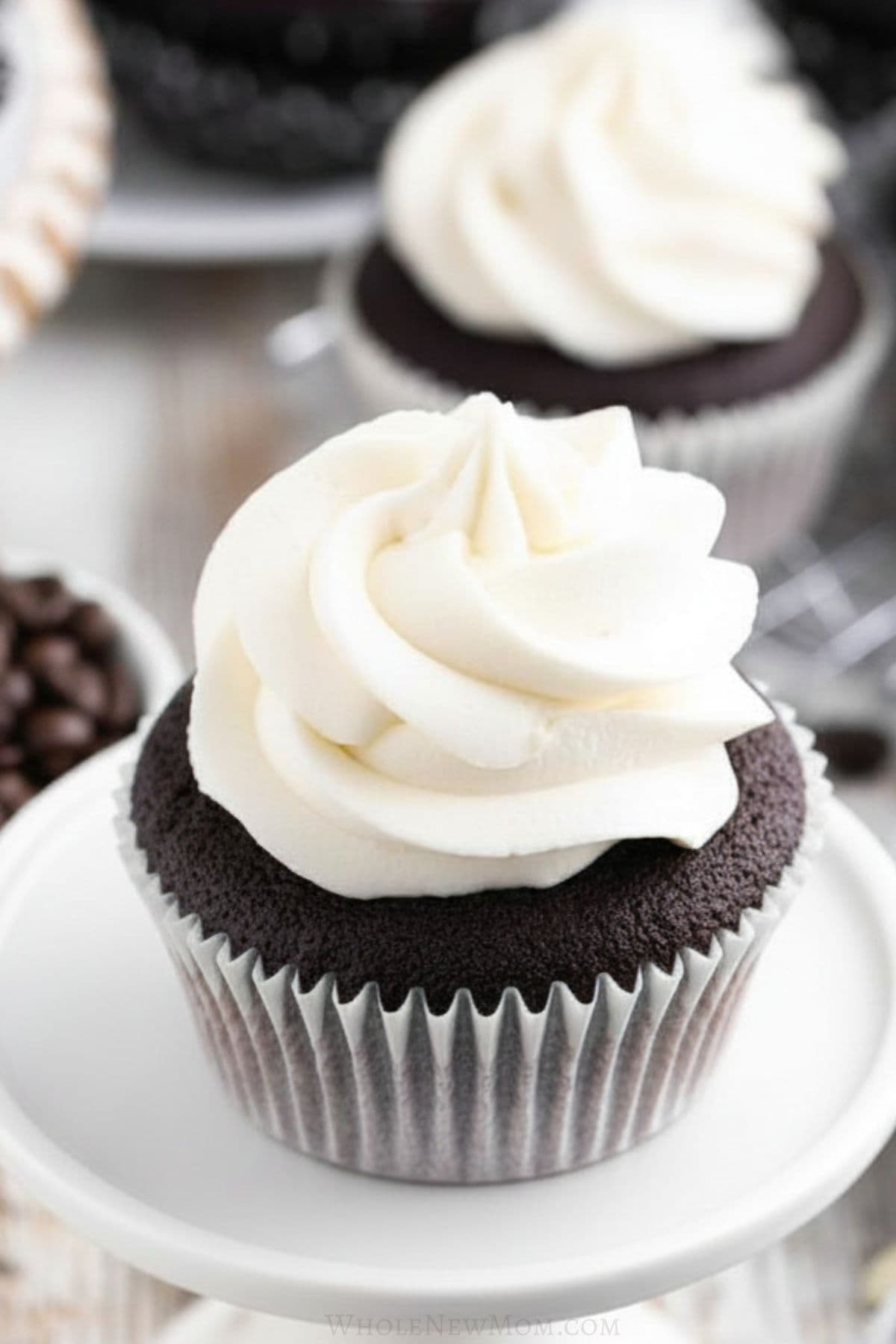
This Sugar-Free Buttercream Frosting is super creamy, smooth, and easy to pipe on all your favorite desserts. It’s naturally low-carb, keto-friendly, and isn’t gritty or overly sweet. In fact, it’s so delicious you may want to make an extra batch because it’s hard not to sneak a lick or three.
After trying too many sugar-free frostings that were gritty, overly sweet, or too soft to pipe, I wanted a better buttercream—and this is it. It’s perfect for cakes, cupcakes, cheesecakes, cookies, and other layered desserts. It tastes amazing on both these Gluten-Free Chocolate Cupcakes and these Keto Mini Cheesecakes.
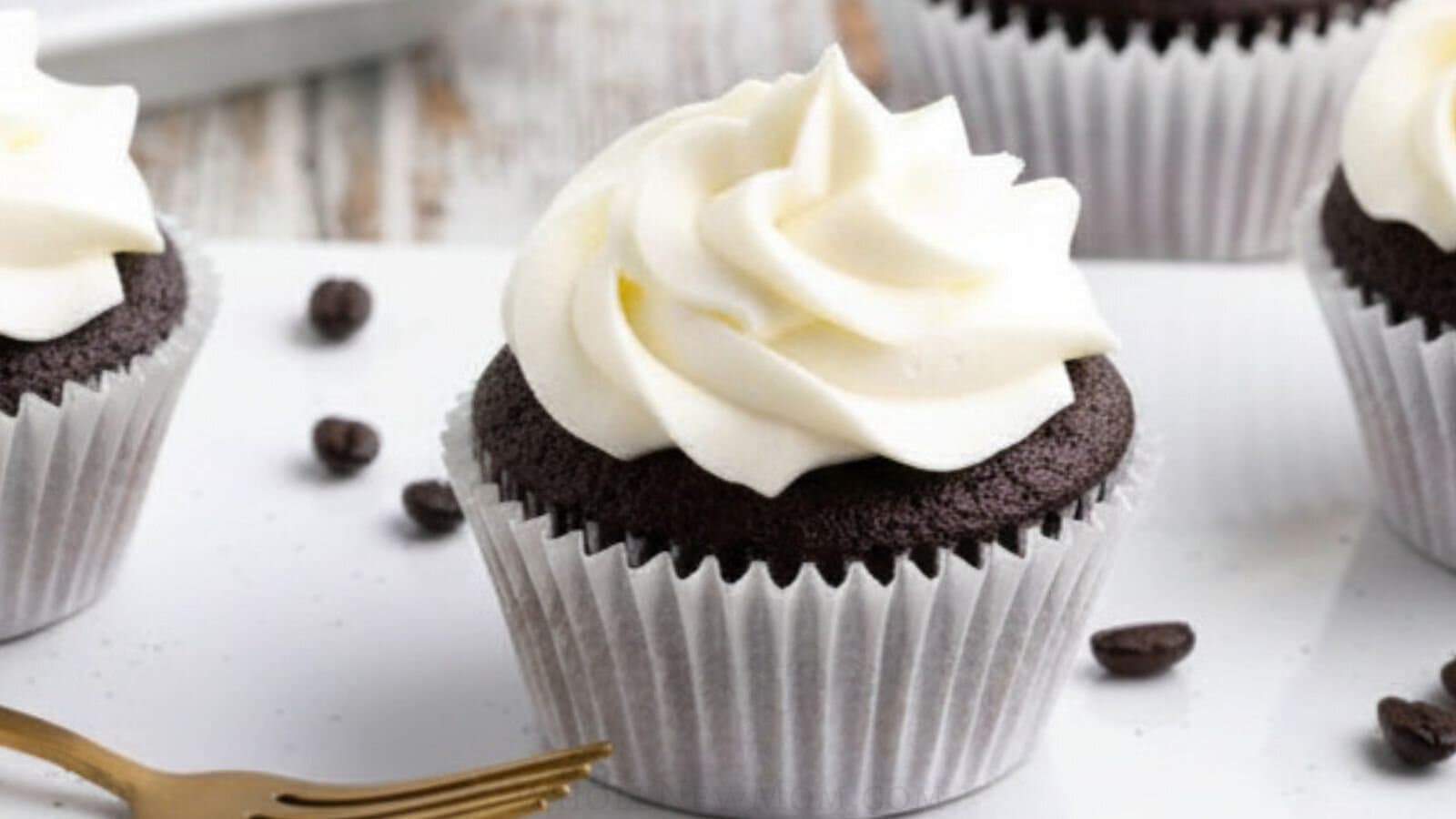
Though whipped cream, powdered sweetener, and simple syrup are great options for topping cakes and cupcakes, sometimes you just want frosting. I love this Sweet Potato Frosting, but I really wanted something more like a traditional buttercream frosting that I’d feel good about eating and serving to my family and guests.
This keto buttercream frosting is just right. Just the right amount of sweetener, rich buttery flavor, and a touch of salt and vanilla. I think you’ll agree that it’s the perfect thing for all your special baked goods. I personally have been known to make extra to have a little left in the fridge to take a bite of now and then.
It’s that good.
Why You’ll Love This Sugar-Free Buttercream Frosting
This healthy frosting is great for so many reasons. It’s…
- not too sweet (most recipes use a heavy amount of powdered sugar-free sweeteners, but this one does not)
- pipes beautifully
- keto-friendly and sugar-free
- made with simple ingredients
- rich in vanilla flavor
- softer and with a creamier texture than traditional bakery frosting
- customizable so that you use can whatever sweetener you have, can adapt with different flavors and colors, and also you can use whatever butter you like
Ingredients
- Butter: (use any butter you like. I prefer grass-fed. Make sure it’s softened but not melty. European butter like Kerrygold creates extra richness.
- Powdered sweeteners: using a blend of more than one sweetener helps prevent grittiness and gives the best flavor. Erythritol improves structure while allulose improves texture.
- Vanilla: using a high quality real vanilla or homemade is best. This Vanilla Powder is another great option.
- Salt: In my book, a little salt is always needed for sweet dishes to balance the sweetness.
- Optional cream/milk: You can use heavy cream or coconut cream or even coconut milk, if needed.
The Best Butter for Buttercream Frosting
So, what is the best butter to use for buttercream frosting? Good question. And the answer is, whatever one you like.
All butters are not the same. I prefer using the healthiest butter possible (I typically buy grass-fed butter) but depending on the brand and type you buy, you can achieve the result you want.
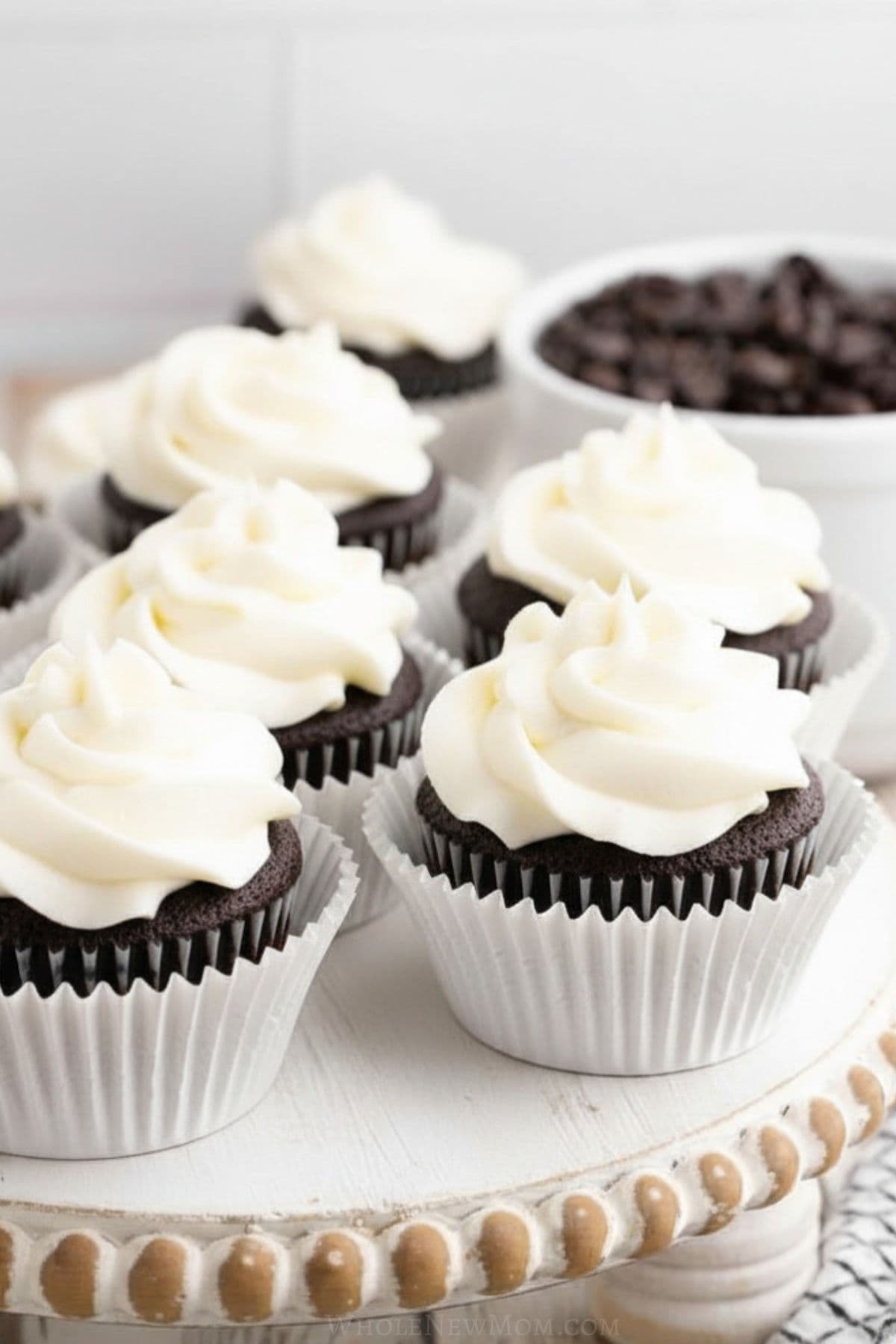
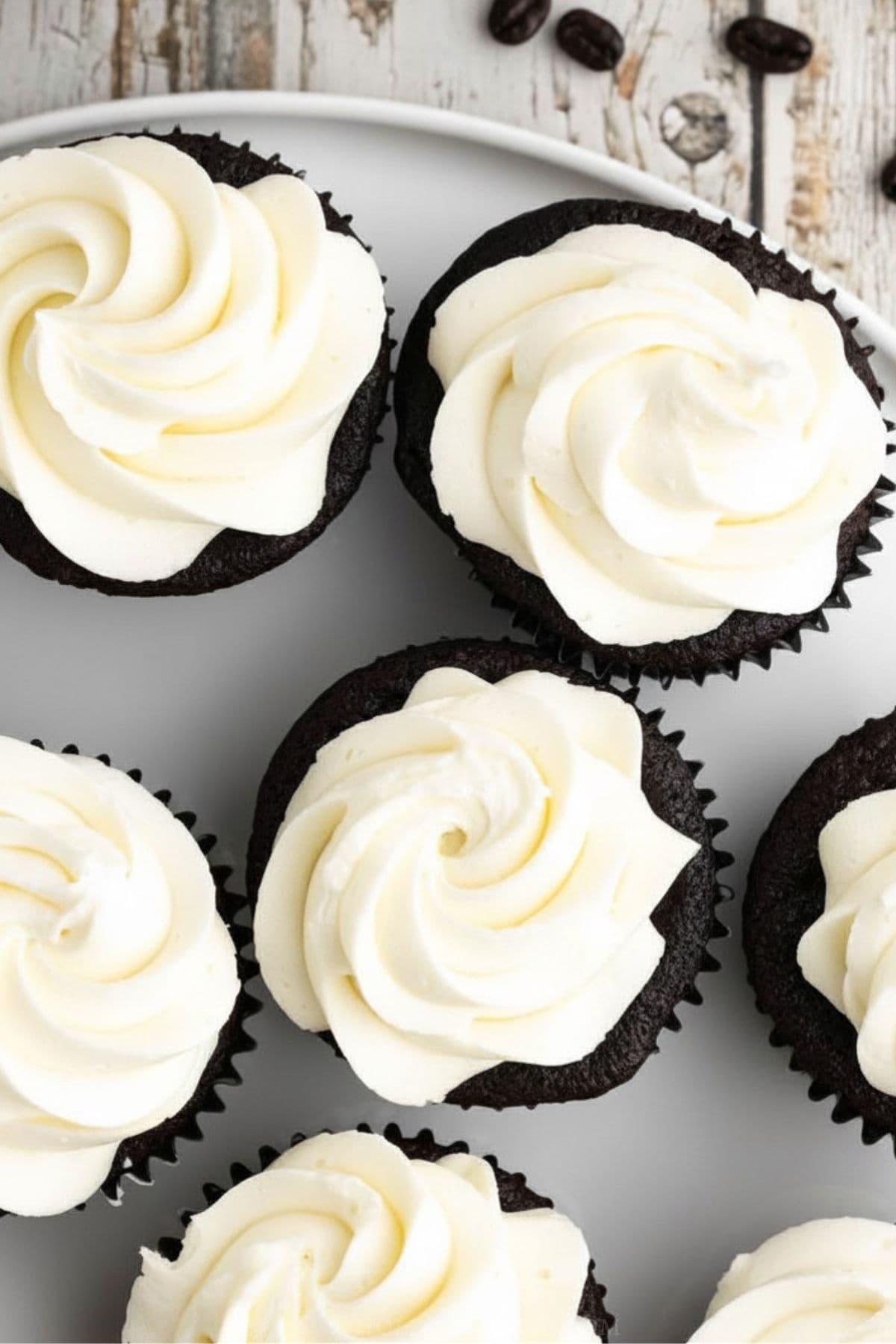
A completely or mostly grass-fed butter (like Kerrygold, Truly Grass-fed or Kirkland Grass-fed) will yield a more yellow frosting color that looks great as is but you can add natural dyes or flavors or cocoa or coconut sugar to change the appearance and flavor. A butter that isn’t completely grass-fed (like Danish Creamery) is just a bit off white.
Standard grocery store butter will be even lighter in color.
How to Make Sugar-Free Buttercream Frosting
- Beat butter until creamy.
- Add sweetener gradually.
- Add vanilla and salt.
- Beat until fluffy.
- Adjust consistency if needed.
Storage Tips
You can make this frosting up to 1 week ahead of time and store it in the refrigerator until you’re ready to frost cakes or cupcakes. It can be frozen up to 3 months. Before using, allow the frosting to come closer to room temperature and whip briefly to restore its smooth texture.
Because this frosting contains allulose, it may remain softer than traditional powdered sugar buttercream, even after chilling.
Variations
There are so many lovely options to customize this buttercream frosting.
- Chocolate: Add 1/4 cup cocoa powder.
- Cream Cheese: Replace 4 ounces of the butter with cream cheese.
- Dairy-Free: Use a dairy-free butter substitute.
- Mocha: Add 1–2 teaspoons espresso powder.
- Lemon: Add lemon zest and a splash of lemon extract or juice.
- Orange: Add orange zest and a splash of orange extract.
- Peppermint: Add 1/8–1/4 teaspoon peppermint extract.
- Maple: Add a little maple syrup or maple extract (not sugar-free).
- Coconut Sugar: Use powdered coconut sugar for a caramel-like flavor and light brown color (refined sugar-free but not low-carb).
- Honey or Maple Sugar: Use in place of the sugar-free sweetener for a naturally sweetened version (also refined sugar-free but not low-carb).
Best Sweeteners for Sugar-Free Buttercream
For the smoothest frosting, use powdered sweeteners rather than granular varieties.
- Allulose creates a smooth, creamy frosting with little to no cooling aftertaste, but it can result in a softer buttercream.
- Erythritol helps frosting hold its shape better, but large amounts can create a cooling sensation and sometimes a gritty texture.
- Xylitol can also work, but keep in mind that it is toxic to dogs.
I prefer using a blend of sweeteners because allulose creates a smoother texture while erythritol helps the frosting hold its shape.
Ways to Use This Frosting
There are so many great ways to use this frosting that even goes beyond cakes and cupcakes
- cupcakes
- birthday cakes
- sheet cakes
- brownies
- cookie sandwiches
- as a cookie topping
- cheesecake (a not-too-sweet buttercream is great on cheesecake!)
- muffins (yes, you can even frost muffins!)
- doughnuts or doughnut holes
- use as a sweet dip for fruit, graham crackers, or mini cookies
Frequently Asked Questions
Can I use allulose only?
Yes, you can and you can also use any single powdered sweetener you like, but an allulose-only frosting will likely be softer at room temperature. I like a blend of sweeteners for this recipe.
Why is my sugar-free buttercream yellow?
If you use a mostly grass-fed butter, your buttercream will be yellow. Using a partially grass-fed butter like Danish Creamery will result in a slightly yellow but mostly white frosting.
Why is my frosting too soft?
It’s likely that either the butter was too melty before mixing or only allulose was used, or the butter sat out in a very warm room after piping. If your frosting is too soft, chill it for 15–20 minutes, then whip briefly before piping.
What’s the best sweetener for sugar-free frosting?
The sweetener you choose depends on your desired outcome. I like the combination of allulose and erythritol but you can use whatever you like.
Why is my frosting gritty?
Quite possibly you used a granulated sweetener without powdering it. Powdering granulated sweeteners will help prevent gritty frosting.
Sugar-free Buttercream Frosting
Ingredients
- 1 1/2 cups butter
- 3/4 cup powdered allulose
- 1/4 – 1/3 cup powdered erythritol monk fruit blend
- 1 teaspoon vanilla extract
- 1/4 teaspoon salt
- 1 teaspoon heavy cream or coconut cream (optional for texture)
Instructions
- Place the softened butter in a large mixing bowl.
- Beat with a hand mixer or stand mixer until smooth and creamy.
- Add the powdered sweetener gradually, mixing on low speed until incorporated.
- Add the vanilla extract and salt. Beat on medium-high speed until light and fluffy, about 3 to 5 minutes.
- If needed, add cream, coconut cream, or milk 1 teaspoon at a time to get desired consistency.
- Use immediately to frost cupcakes, cakes, cookies, and other desserts.
- For firmer piping, chill the frosting briefly before using.
Notes
- Frosting thickens slightly when chilled. For firmer piping, refrigerate briefly before using.
- If using only allulose, frosting may be softer at room temperature.
- A blend of powdered sweeteners yields the smoothest texture.
- Use softened butter for the smoothest frosting. European-style butter creates an extra rich and creamy texture.
- Add a bit of heavy cream or coconut cream to adjust consistency for spreading or piping.
- Makes enough frosting for approximately 24 cupcakes with a moderate swirl, one 9-inch layer cake, or a 9×13 cake.
Nutritional information is provided as a courtesy and is an estimate only. It may vary depending on ingredient brands, substitutions, and preparation methods. Optional ingredients are not included. Net carbs are typically calculated by subtracting fiber and sugar alcohols (such as erythritol) from total carbohydrates. This information should not be relied upon for medical or nutritional purposes.