
Natural Protection from Radiation
This post may contain affiliate links from which I will earn a commission. Learn more in our disclosure.
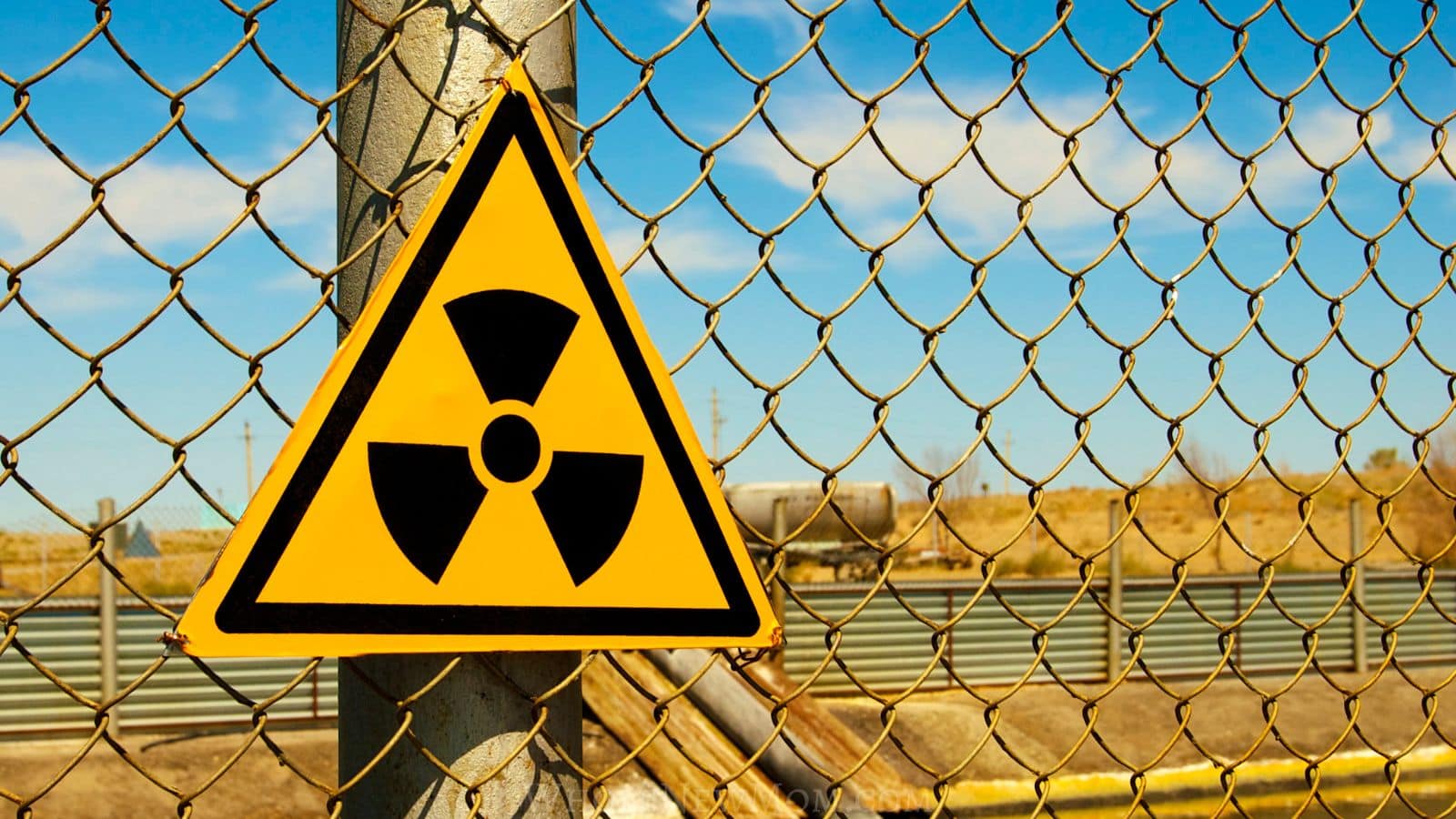
The nuclear situation in Japan may no longer be front-page news, but concerns about radiation exposure haven’t disappeared.
While the risk for most of us is very low compared to those living near affected areas, it’s still wise to stay informed and understand simple steps that may support the body.
Japan is especially meaningful to me—I studied Japanese, lived in Japan for a year, and developed many close friends and I keep in touch regularly with one in particular. Hearing firsthand how families were navigating water and food concerns made this feel very real.
There were reports of rationing water, and prioritizing bottled water for infants since they will be the most affected by radiation. One of my friends living in Tokyo emailed stating that her family was not drinking the water or using it for cooking.
Obviously, the situation in Japan at the time of the Fukushima accident was much more intense than anything that those of us living in the Western hemisphere will face as a result of this disaster, but it still causes worry for many.
A good friend and I were talking about food choices one day. She mentioned that she was avoiding seafood and when I asked why, she responded emphatically, “Umm..Fukushima!”
Concerns about seafood safety have come up periodically since Fukushima. While most seafood available today is considered safe, being careful about sourcing fish makes sense.
The fear is real, but it’s important to try to remain calm and to make informed and thoughtful, balanced decisions for your health and your family.
How Radiation Affects the Body
One of the key concerns with radiation exposure is radioactive iodine.
Your thyroid naturally absorbs iodine. If it becomes saturated with healthy iodine, it is less likely to absorb radioactive forms. This is why iodine status is often discussed in relation to radiation exposure.
Another important point: radiation exposure is cumulative, meaning even small exposures can add up over time.
Because of this, many natural approaches focus on:
- Supporting overall health and detox pathways
- Providing antioxidants
- Supporting thyroid function
Natural Radiation Protection (General Support Strategies)
These approaches are often discussed in relation to supporting the body during environmental exposure:
- Antioxidant support – Nutrients like Vitamin C may help the body manage oxidative stress
- Thyroid support – Adequate iodine intake is important since the thyroid absorbs iodine
- Nutrient-dense foods – Whole foods, including sea vegetables, can provide supportive minerals
- Stress and recovery support – Practices like magnesium baths or relaxation can support overall resilience
Important: Please note that these are general wellness strategies—not medical treatments.
Emergency Measure: Potassium Iodide (KI)
Potassium iodide is sometimes recommended only in the event of significant radiation exposure involving radioactive iodine.
- It works by saturating the thyroid with iodine
- This helps block uptake of radioactive iodine
- It should only be used when appropriate and typically under official guidance
Having it on hand is something some families consider, but it’s not for routine use.
Water Filtration and Radiation Concerns
Another area some people consider—especially during environmental events—is drinking water quality.
Some advanced water filtration systems are designed to help reduce specific radioactive particles (radioisotopes) from water. These systems may use a combination of:
- Zeolite
- KDF (Kinetic Degradation Fluxion)
- Activated Carbon
These types of filters are often formulated to target contaminants such as:
- Cesium-137 and Cesium-134
- Iodine-131
- Strontium-90 and
- (In some cases) uranium or plutonium
While this level of filtration isn’t necessary for most situations, it can provide added peace of mind in the event of environmental contamination concerns.
I personally prefer investing in high-quality water filtration as part of an overall health strategy, regardless of the situation.
You can read more about how I approach water filtration and the filter that we use in our home in my post on choosing a safe water filter.
What I’m Personally Doing
For now, I’m focusing on simple, sustainable steps:
- Adding sea vegetables like nori, dulse, and wakame to our diet
- Supporting our immune system with Vitamin C (within reasonable limits. More isn’t always better)
- Continuing magnesium soaks or other forms of topical magnesium (foot soaks in Epsom salts or magnesium flakes work well for me as does magnesium spray) for relaxation and to support detox pathways
- Using adaptogens like ashwagandha and ginseng – which may support resilience to stress
- Maintaining overall health and nutrient intake, including iodine that’s especially supportive of thyroid health
- Keeping potassium iodide on hand as a precaution (not for regular use)
Final Thoughts
For most of us, this is not something to panic about—but it is something to be aware of.
Supporting your body’s overall health is always beneficial, regardless of the situation.
And most importantly, my thoughts and prayers continue to be with the people of Japan, who have faces and are facing far more immediate and serious challenges.
What steps will you take
or are you not concerned at all about radiation exposure?