
25 Surprising Benefits of Dehydrating Food
This post may contain affiliate links from which I will earn a commission. Learn more in our disclosure.

If you’ve ever wondered whether a food dehydrator is worth it, the answer is yes—and in more ways than you likely realize. A food dehydrator is one of the simplest tools for preserving food, saving money, and boosting nutrition in your kitchen.
I've been dehydrating food for many years and I even was once an Excalibur dehydrator dealer. If you don't own a dehydrator, I'm sure you'll want one after reading this post, and if you do have one, you'll be even more thankful that you do!
Here are all of the reasons why I love ours and why you'll love having one too!
25 Benefits of Dehydrating Food:
- Save money on groceries
- Reduce food waste
- Save storage space
- Fewer last minute trips to the store
- Save money on supplements
- Least expensive form of food preservation
- Can be done without power
- Save money on packaged dried foods
- Get specialty foods at a discount
- Deal with garden overflow
- Take advantage of u-pick savings
- Foods stays fresh without power
- Long shelf life
- Portable food
- Minimal work
- Basically foolproof
- More nutritious than other food preservation methods
- More nutritious than fresh foods
- Less risk of food-borne illness/mold contamination
- Intense flavor
- Get in-season flavor year round
- Helps Picky Eaters
- Great for hidden-veggie recipes
- Control over ingredients
- Improved nutrition and digestibility of food
Save Money With Dehydrating
Least Expensive Form of Food Preservation
Dehydrating food costs less than canning and freezing. Don't believe me? This post comparing dehydrating, canning, and freezing costs has all the details.
Fewer Last Minute Trips to the Store
OK so you might have some last minute trips, you'll for sure have a lot less. You'll save money on gas, save precious time, and reduce wear and tear on your car. You can have a stash of dehydrated onions, celery, herbs, and more at the ready for whenever you need them for a recipe! Add that to the knowledge of easy substitutions and you just might make that into no last minute trips at all!
Save Money on Supplements
There are companies that put dehydrated powdered food into capsules and sell them for tons of money. In fact there's a very popular MLM company that sells dried powdered produce for more than $121 a pound (the berry blend is over $127 a pound!) By drying and powdering your own produce, you can make your own supplements and skip the MLM stuff while you're at it.
Can Be Done Without Power
If you're really in a bind, and live in a climate where it's not too humid, you can even dehydrate your own food without power!
Reduce Food Waste
Got produce that's starting to show signs of getting overly ripe? Just wash it, slice it, and get it in your dehydrator.
Less Expensive than Buying Packaged Dried Foods
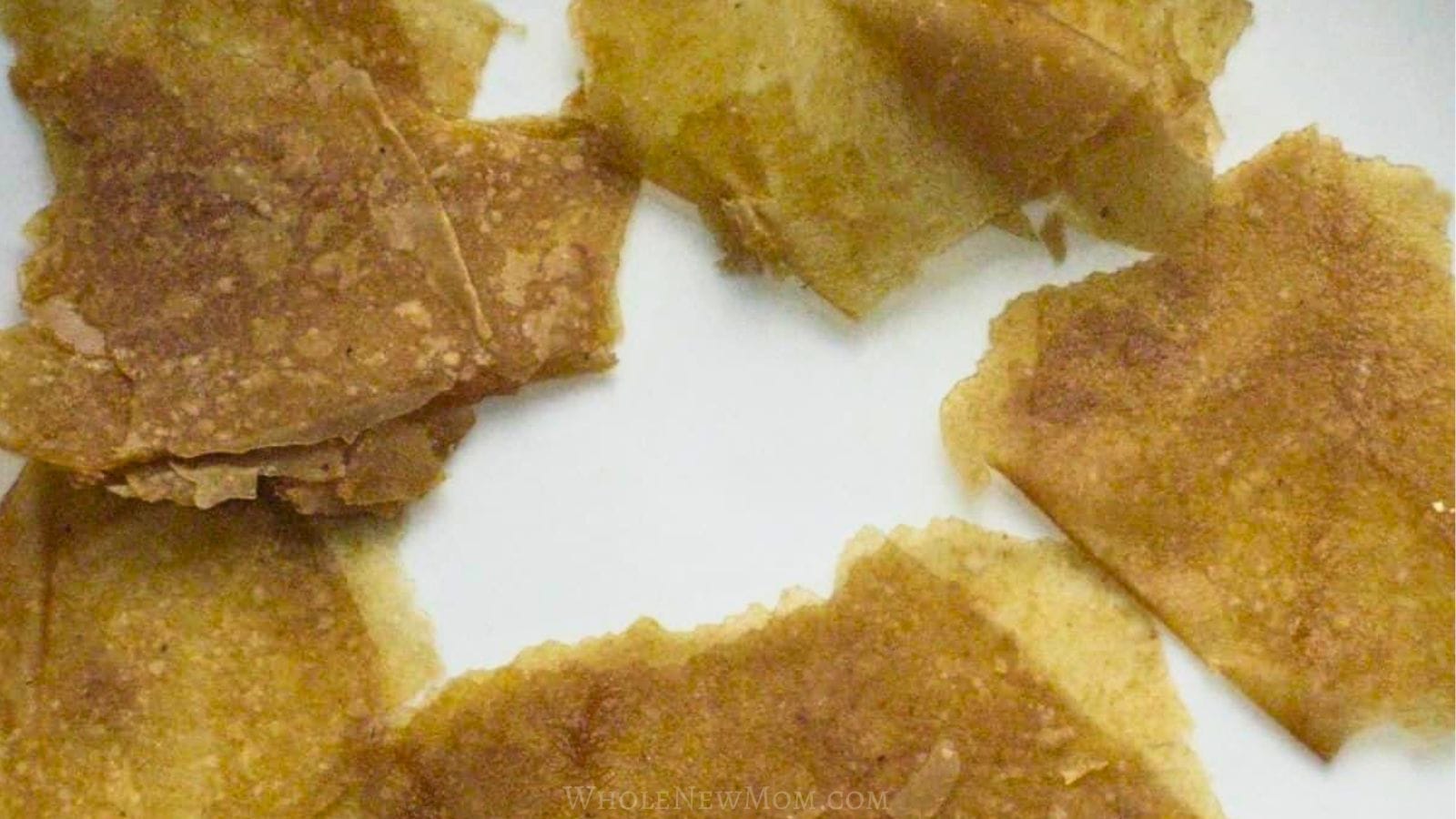
Packaged dried foods are, for the most part, really expensive. Why not just do it yourself and make your own jerky, dried cranberries, fruit leathers, sun-dried tomatoes, kale chips, soaked grains, and more.
Take Advantage of Sales
You'll be able to purchase food at a discount and then process it for use throughout the year. One year, we went to an orchard and packed as many half-bushels of apple seconds that we could fit in the not-so-big trunk of our ancient Nissan Sentra. I spent the next several days slicing and drying fruit and we ate those dried apples for a very very long time.
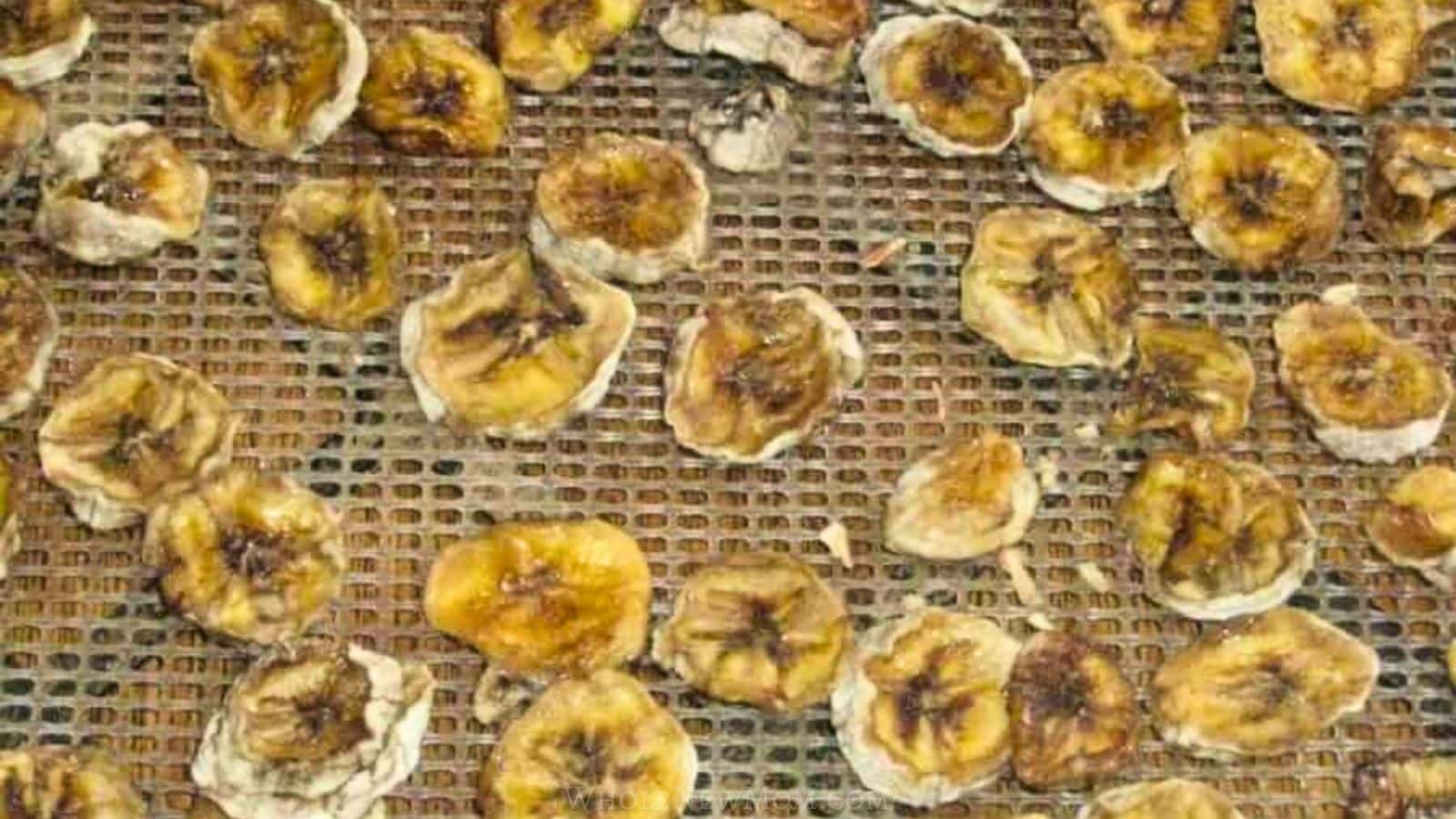
We've also loaded that same Nissan trunk to capacity with discounted bananas (only 19 cents per pound) from Aldi for dried dried bananas. Bonus, our “banana chips.” weren't coated in any additional sweeteners or funky oils. We got a lot of looks when we checked out at the store, but I consider those looks to be a badge of honor considering all the money we save!
Get Specialty Foods at a Huge Discount
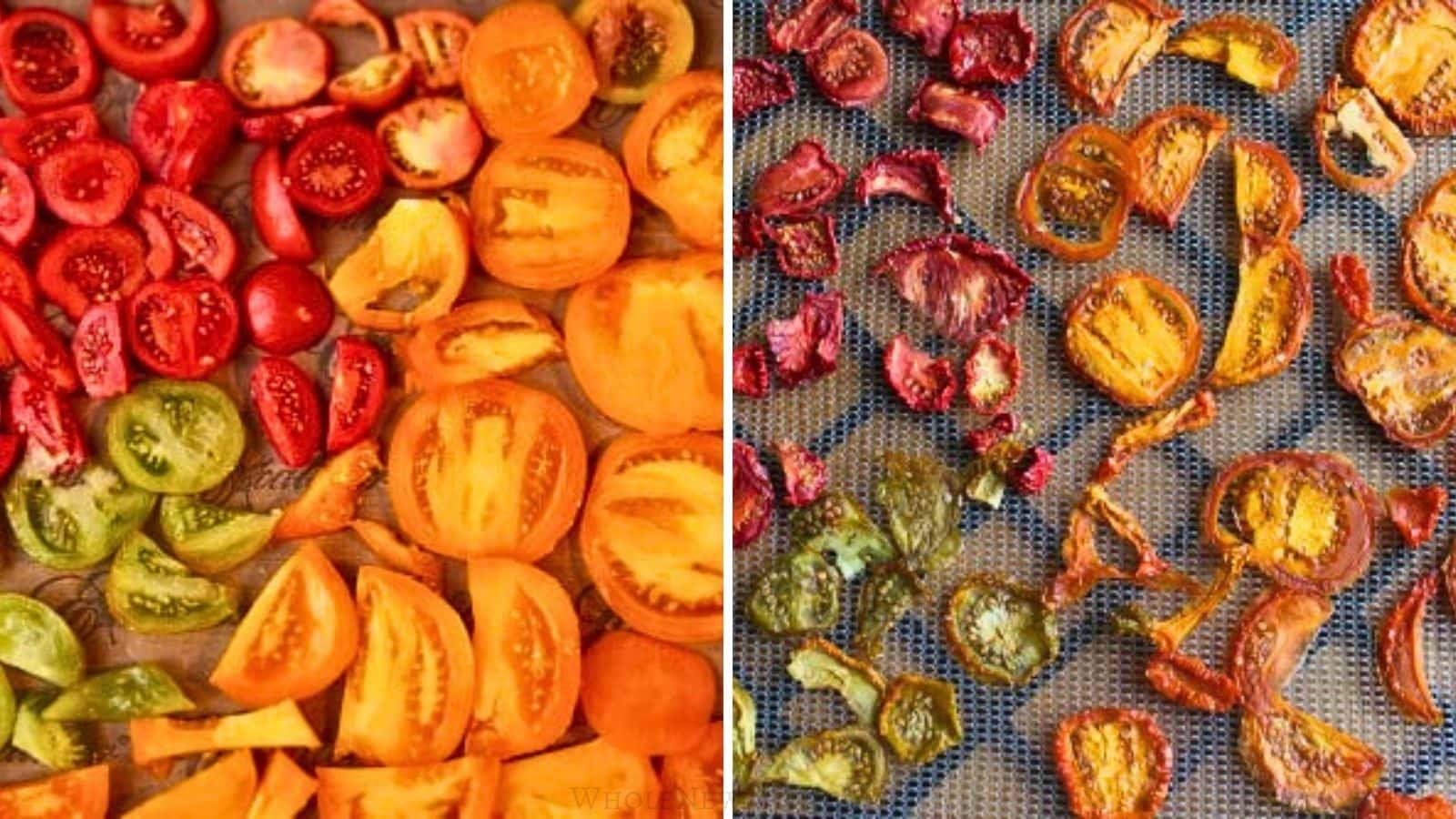
Finally, you'll save money by being able to make specialty foods for your family without the “gourmet food” price. We've made our own sun-dried tomatoes using last summer's harvest and they make their way into omelets, frittatas, pasta, and they're even great plain!
I've made flax crackers in my dehydrator as well. 5 ounces of flax crackers sell for between $7 or more now. That's $22 per pound! Organic flax seed is less than $2 per pound at Azure Standard. See how much you can save!
Deal with Garden Overflow
Having a dehydrator at the ready has helped me store up so much of the overflow from our garden over the years from kale (by making kale chips) to regular basil and holy basil, to sun-dried tomatoes, and calendula. By dehydrating your excess, you'll dramatically increase the profit from your garden investment!
Take Advantage of U-Pick Savings
U-picks are a great way to save on produce. Sure it can be a fun outing even if you don't get a lot, but you can't save much money if you can't pick a good amount of whatever you're picking. Having a dehydrator is one great way to store your u-pick haul quick. Start right when you get home on the first batch and especially if you have a large dehydrator (that's the one that I have), you'll whizz through your pickings fast.
Save Time, Simplify Food Prep and Storage
Food Stays Fresh without Power
If you've used the freezer to preserve most of your food, then you can have a real mess on your hands if the power goes out. Dehydrating will keep your food safe as long as its stored properly no matter what your power situation is because removing the moisture prevents bacterial growth.
Long Shelf Life
Typically, dehydrated food lasts for about four to twelve months, depending on how you store it, with some foods lasting up to a year or two.
However, if you store them under ideal conditions, you can store them safely for up to 25 years. ideal conditions are to completely dehydrate foods (veggies are crisp and fruits are leathery), and store them after cooling in airtight containers, like mason jars or vacuum-sealed bags with oxygen absorbers in a cool, dark, dry location,
Saves Space
Dehydrated food takes up less space than frozen or canned foods, and it also takes up less space than unpreserved foods due to the removal of the water content.
Portable Food
Dehydrated food is much more portable than canned or frozen foods. It's super light and packable for hiking, trips, going to school, or running errands.
Minimal Work
Dehydrating food is super easy. Just wash, cut, put the slices on a tray, and dry. If you're making fruit leather, it's even easier because there's just blending and pouring instead of slicing. Add some seasonings in the case of Dehydrator Kale Chips or Sun-Dried Tomatoes, and that's it!
It’s Foolproof (Mostly)
There's not much that can go wrong with dehydrating food aside from taking the food out too early, which is easily remedied, or leaving it in too long, but even then, you can still eat it.
Boost Nutrition and Food Quality
More Nutritious Than Other Food Preservation Methods
Between canning, dehydrating, and freezing, dehydrating is the most nutritious way to preserve food. Food can lose 60–80% of its nutrients during canning, and up to 60% during freezing.
Dehydrating, on the other hand, can cause some loss of heat-sensitive vitamins (like vitamin C and B vitamins), most of the nutrition remains and of course the lower the temperature that you dry your food at, the less the nutrition loss
More Nutritious Than Fresh Food
Did you know that fresh produce starts losing nutrition right after it's picked? For example, spinach stored at 39 degrees kept only 53 percent of its folate after eight days. At 50 degrees, it lost 47 percent in only 6 days, and at 68 degrees, it lost the same amount in only four days. The same pattern is true regarding carotenoid reduction (source).
Now that doesn't mean that you shouldn't eat fresh produce, but you can stop the depletion process whenever you'd like by dehydrating your food.
Less risk of Food-Borne Illness/Mold Contamination
The longer food sticks around, the more mold/mycotoxins it can have in it. In fact, some experts say that food is a huge problem regarding how much it can affect a person's health. Dehydrating food removes moisture, which is needed for mold to grow.
Intense Flavor
The flavor of dehydrated foods is simply amazing due to it being concentrated. Think about the delicious flavor of dried cranberries, raisins and other dried fruit. My favorite example of this, however, is sun-dried tomatoes. There's nothing like them!
Get In-Season Flavor Year Round
Yes, modern day grocery stores do kind of meet this need, but the flavor is sub-par for sure due to the produce traveling for a long time to get to the store and then sitting on the shelf. When you dehydrate your own in season produce, you preserve the in season flavor.
Help for Picky Eaters
One of our sons is a case in point. He doesn't like some fresh fruits but he'll gladly eat the dehydrated version. Yes, there's more sugar concentrated in those, and we watch our carbs, but it's a great way to get variety into the diet of someone who struggles otherwise.
Hidden Veggies (and Fruits)
Want to get more veggies and fruits into your and your family's diet without having to sit down to a big salad? Process dehydrated food into powders and add them to pancakes, waffles, cookies, breads, and so much more.
Control Over Ingredients
When buying store-bought dehydrated food, you're stuck with whatever the manufacturer uses. If you dehydrate it yourself, you can buy all organic ingredients, use no seed oils, and season things just the way you like. In fact, I like my simple Dehydrated Kale Chips better than any I've had from a store. And of course they're so much cheaper.
You can even use your dehydrator to make yogurt. Use organic regular or dairy-free milk and have super pure yogurt made right in your home!
Improve Digestibility and Nutrition of Foods
Nuts, seeds, beans, and grains are known to be healthy foods, but you can improve the digestibility, and nutrition by soaking and dehydrating them. This process addresses the coatings on these foods. You'll for sure notice the difference in your digestion and Soaked Nuts and Seeds taste so much better than raw. You'll never go back!
I'm sure you now agree that having a dehydrator at the ready is one of the best things you can do for your finances, the quality of your food, for saving time and space, and as a result, your overall quality of life.
What do you use your dehydrator for? I'd love to hear in the comments!
I don’t like Excalibur food dryer models personally. A few years ago I have the 9 tray Excalibur with timer food dehydrator device. It works fine. The timer was definitely worth the extra cash. The fruit leather sheets seem flimsy for the price. a minor complaint is an intro to drying booklet that comes with free with the dehydrator. Recently I bought a new one Nesco FD-80A Square-Shaped food dehydrator. It works brilliantly. It features, durability, performance, and easiness of use are awesome.
What all vitamines-minerals and enzymes from seeds-fruits are lost in a dehydrator processing? Can you please guide me? Or give links to explore this point.
Bipin Shah
Hello there. If you dry at a low temperature I would think that those things should remain intact. Hope that helps.
Sir,
What is a low temperature range value? Any study carried out by any research organisation? Any link to refer? I will be highly obliged if some one can enlighten on these aspects. ENZYMES- The living force in raw food that can germinate itself, especially start to die out once the food is separated from roots and is subjected to temperature more than 47-53 degree centigrade, range.
Bipin Shah
Hello there. First of all, I am a woman, so no need to call me “sir” :).
However, the typical highest temperature for raw processing is 115 degrees F. In a dehydrator the air is a higher temp than the food so I have read that setting the dehydrator at around 125 is acceptable, but I don’t recall where I read that.
I hope that helps :).
Hi, are you concerned about the plastic in the dehydrator. Seems that plastic and heat shouldn’t go together??? Thanks!
Yes, I am — a bit. I am looking at a stainless model now. Thanks for reminding me. I have to do more digging about this.
I love my dehydrator, but I must say, I got a little lazy recently(busy making new things in the kitchen) . Thanks for the encouragement. I will get right on it.
:).
Just ordered a 9 tray excaliber, they are not readily available as far as I can ascertain in Ireland
Did you buy it in Ireland?
Do you have a recipe linked for the flax crackers?
Also…how do you store your dried goods? I’ve stored mine in mason jars and I feel like they still get stale in there.
No recipe yet….I need to get back to it…. Which goods? Most of them I store in bags like in this post on storing nuts. I for sure haven’t perfected this.
I guess I’d mostly be wondering about nuts and fruit since that’s most of what I dehydrate. Can you freeze them?
Check out How to Store Nuts :). Same goes for fruit.
Love your website. I know now all the reasons why I soak my beans for my chili. I got a dehydrator and I look forward to some good tips from your website.
BUT, is there a way to get rid of this pesky SHARE patch (Facebook, twit etc.) It covers chunks of text and images..
Maybe move it on another edge of the screen?
Thanks
Marcel,
Do you mean the one down the side of the screen? What are you viewing my blog on? It’s not in my way at all – thanks!
There is no end to the things you can do with an Excalibur!! The only problem I run into is where to store it all! I do love to use it for drying herbs and making my own garlic and chili powders. They are so much fresher than store bought and I have control over them being organic without breaking the bank.
I have mine in my pantry and I know folks who have it in the basement by their laundry. 🙂