Whole New Mom - https://wholenewmom.com
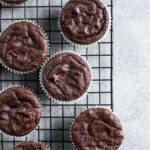
Carob Muffins (Paleo, Gluten-Free)
Servings: 8 muffins
Calories: 309kcal
These carob muffins are rich, moist, and naturally sweetened with simple paleo ingredients. They make a great chocolate alternative and can be enjoyed as muffins or topped with frosting for a cupcake-style treat. The recipe also works with cocoa powder if you prefer a more traditional chocolate flavor.
Print Recipe
Ingredients
Muffins
- 1 cup pumpkin puree (or other squash; drain if watery)
- 1 cup almond butter (or other nut or seed butter)
- 2/3 cup carob powder (sifted)
- 2 teaspoons cardamom
- 2 teaspoons vanilla
- 1/8 teaspoon ground cloves
- 1/4 teaspoon salt
- 1/2 teaspoon baking soda
- 1 1/2 teaspoon baking powder
- 2 large eggs (or alternative; see notes)
- 2 1/4 teaspoons liquid stevia (60 drops; or to taste)
Sweet Potato Frosting (optional)
- 1 cup sweet potato puree (from 1 medium potato)
- 3 teaspoons cinnamon (start low and adjust)
- 2 teaspoons lemon juice (preferably fresh)
- 1 teaspoon vanilla
- 5/6 teaspoon liquid stevia (about 20 drops, or to taste)
- 2 tablespoons coconut oil (melted)
Instructions
Muffins
- Preheat oven to 350°F and line a muffin tin.
- In a large bowl, whisk together: pumpkin puree, almond butter, eggs, vanilla, and liquid stevia. Mix until smooth and fully combined.
- Add carob powder, cardamom, cloves, salt, baking soda, and baking powder to the bowl.
- Stir until just combined. Do not overmix.
- Divide batter evenly into muffin cups.
- Bake for 20–30 minutes, until tops are set and a toothpick comes out mostly clean.
- Let cool completely before removing from the pan.
Frosting
- Bake sweet potato at 400°F for 30–40 minutes until tender.
- Cool, peel, and puree.
- Add 1 cup puree to a bowl and mix with:vanilla, lemon juice, and liquid stevia.
- Slowly add melted coconut oil while mixing.
- Add cinnamon gradually to taste. Mix until smooth and creamy.
- To Serve as Cupcakes: Spread or pipe frosting onto cooled muffins for a cupcake-style treat.
Notes
- Texture: These muffins are rich and moist, with a slightly denser texture than traditional bakery muffins.
- Carob vs Cocoa: You can substitute cocoa powder for carob. If using cocoa, you may want to increase sweetener slightly since carob is naturally sweeter.
- Squash Options: Pumpkin, hubbard squash, or similar varieties all work well. Sweet potato can also be used but will result in a slightly sweeter, denser muffin.
- Nut Butter Options: Almond butter works best, but sunflower seed butter is a good nut-free option.
- Egg Substitutes: Flax or chia eggs can work, though texture may be slightly denser.
- Frosting Note: This frosting is creamy and rich but softer than traditional buttercream. It spreads easily and can be piped, though the texture will be more rustic.
Nutrition
Calories: 309kcal | Carbohydrates: 25g | Protein: 10g | Fat: 22g | Saturated Fat: 5g | Polyunsaturated Fat: 5g | Monounsaturated Fat: 11g | Trans Fat: 0.01g | Cholesterol: 47mg | Sodium: 179mg | Potassium: 640mg | Fiber: 9g | Sugar: 9g | Vitamin A: 11564IU | Vitamin C: 9mg | Calcium: 209mg | Iron: 2mg | Net Carbs: 16g